Contents
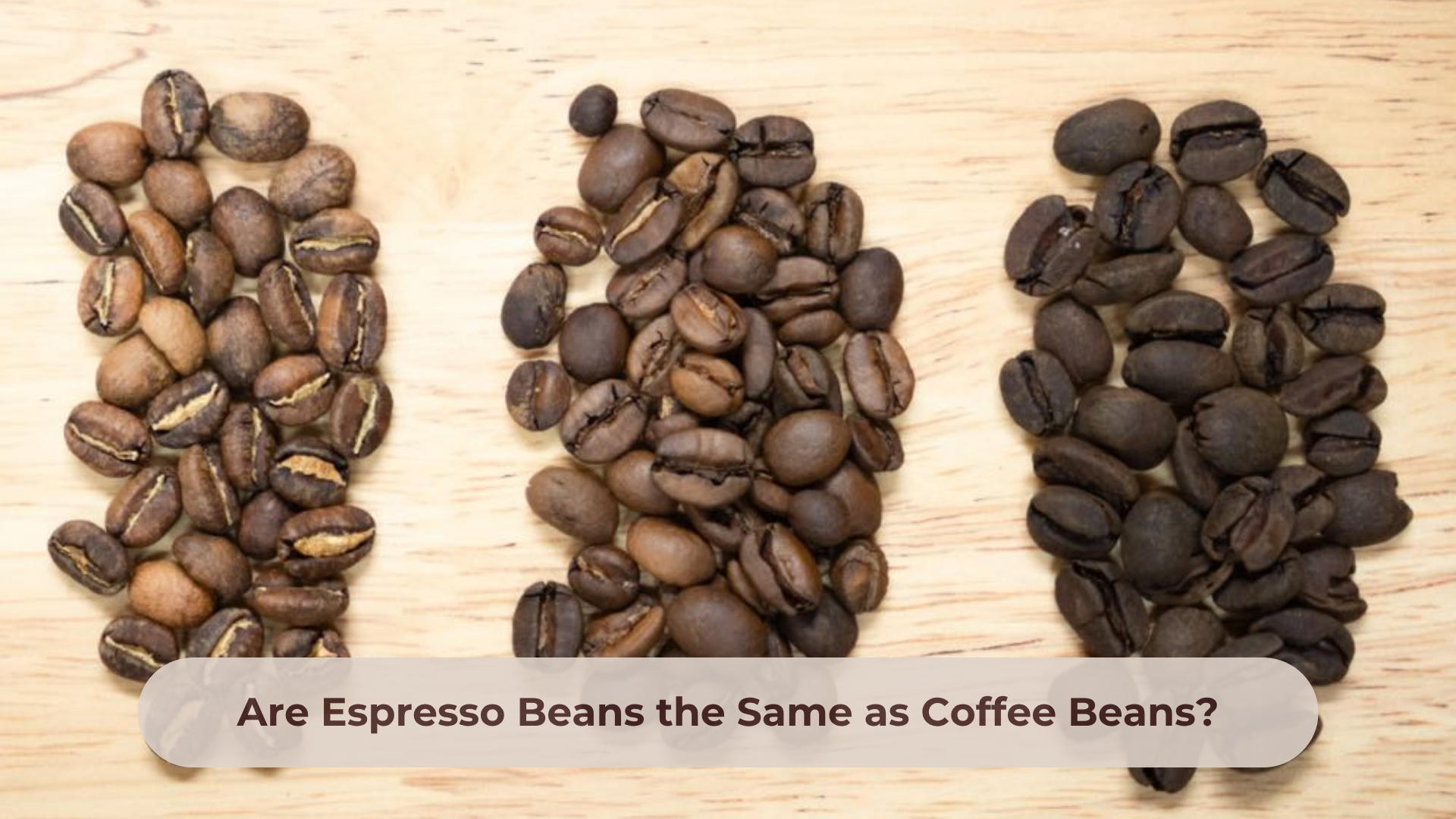
Are there any differences between espresso and coffee beans? This is one of the questions that most coffee drinkers often pose. Gazing at the shelves of the two kinds of beans, you might question whether they are really the same or if there are two different kinds of beans. The answer to that, however, is relatively straightforward; Espresso beans are not a variation of bean per se, but a type of roasting that was created to be used in the espresso machine.
We will un-teach the differences between styles of roasting and grinding and styles of brewing, how to pick one or another type of beans to make an espresso drink versus one to make a drip coffee drink and discuss the top-rated espresso maker on Amazon that will enable you to make a marvelous tasting espresso drink at home.
What are Coffee Beans?
All coffees start in the same way. Coffee cherries, which are grown on coffee plants (Coffea arabica and Coffea robusta), produce the beans. Before they are sold as seeds, these are harvested, processed and roasted.
Coffee beans can be roasted (light, medium or dark) and then ground into a broad range of brewing options: drip, pour, French press, AeroPress, Turkish coffee and the like. They can be customized to extract flavor in a balanced manner through an array of styles.
What are Espresso Beans?
The deception that many people are misinformed about is that the espresso beans are merely coffee beans that are incorporated in making espresso.
No particular species of espresso. Rather, the variations are in the way they are roasted, the way they are ground and the way they are used.
that comes to the following:
1. Roast Level
Beans labelled to make drip coffee often are darker than espresso beans.
The more the roast, the more likely they will develop rich and bold tasting flavours, which will stand on their own, as an espresso shot, which is short and strong.
2. Grind Size
It takes a very fine grind to prepare espresso. This maximizes the surface area that can be filled with pressurized water in order to obtain a sufficient amount of flavor within 20-30 seconds.
Other forms of coffee brewing involve a coarser grind due to the increased time the water is in contact with the grind.
3. Brewing Method
It is prepared by pressing under high-pressure water (that is, 6-9 bar) and finely ground coffee, which is extremely hot.
Drip coffee, pour-over and French press are all gravity or immersion, but not pressure.
Of course, any espresso beans are coffee beans, though not all coffee beans are appropriate to make espresso. The label does not focus much on the roasting of the beans and the manner in which they must be used.
Are You Able to Make Regular Coffee with Espresso?
Yes. A regular coffee bean cannot be utilized in an espresso machine, and yet, not all can be utilized as long as the beans are ground into fine grinds. Actually, this is done by numerous home baristas. However, the outcomes will be diverse in regard to the quality of the roast and the beans.
The next reason that would make you have a sour or under-extracted shot would be that the coffee was not roasted dark enough. When it is too dark, then you could have bitter, burnt flavors. This is what contributes to the fact that beans that are being sold as espresso roast are darker and combined to make up acidity, body and sweetness when pressed.
Choice of Beans to make Espresso With
The following are some of the tips that can be put into practice and are not only applicable:
- Roast Level
When making espresso, use a medium-dark or dark roast. These are prone to yield thick crema and full taste.
- Freshness Matters
Roast beans and eat them in 2-4 weeks, and preserve the beans in the dark, in an airtight container.
- Grind Yourself in Case Possible
They are not as fast to decay as the whole beans. The optimum quality of the shot is attained through grinding just before brewing.
In case you would like to go into details of bean recommendations, we have a link on Best Espresso Beans for Home Brewing.
Espresso Brewing Equipment
It takes a pressure-pushing machine to make espresso. The following are some of the best-rated machines on Amazon that are suitable for both novices and avid coffee users:
The most inspiring Espresso machines to buy on Amazon.
Philips 3200 Series Fully Automatic
A Good alternative should you wish to have hands-off brewing, but with in-built milk frothing and automatic grinding. Delicious in lattes, cappuccinos, and espresso shots.

Source: Amazon
Manual: De’Longhi Stilosa
A portable, low-price model that enables you to prepare your very own cafe-like espresso and comes with a portafilter and a manual milk frother.

Source: Amazon
Cafe Premier Series by Ninja Luxe
This model can prepare coffee and espresso, and its automatic options are easy to program and manipulate, something amateurs can easily relate to.

Source: Amazon
Note: Select the budget, space, and the amount of control you would like to have over the process of brewing.
Comparing Espresso and Regular Coffee
| Feature | Espresso | Coffee (Drip/Pour-Over) |
| Pressure | High (6-9 bar) | Gravity |
| Grind | Very fine | Medium to coarse |
| Serving Size | Small shots (25-30 ml) | Larger cups |
| Roast | Usually darker | Light to medium |
| Flavor Profile | Intense, rich, concentrated | Balanced, lighter |
Conclusion
Espresso beans are coffee beans that are roasted and mixed for espresso brewing.
The actual distinction between espresso and other coffee boils down to the degree of roasting, grind size and method of brewing.
Most coffee beans can be used to make espresso, provided they are ground fine, although those that have been optimized to make espresso have been shown to work better.
The right espresso machine can be the key to the difference in the quality and taste of the extraction.
Ready to make espresso at home? Search Amazon to get the appropriate browse machine for your kitchen.